Best 3D Printer Filament for Beginners and Makers (2026)
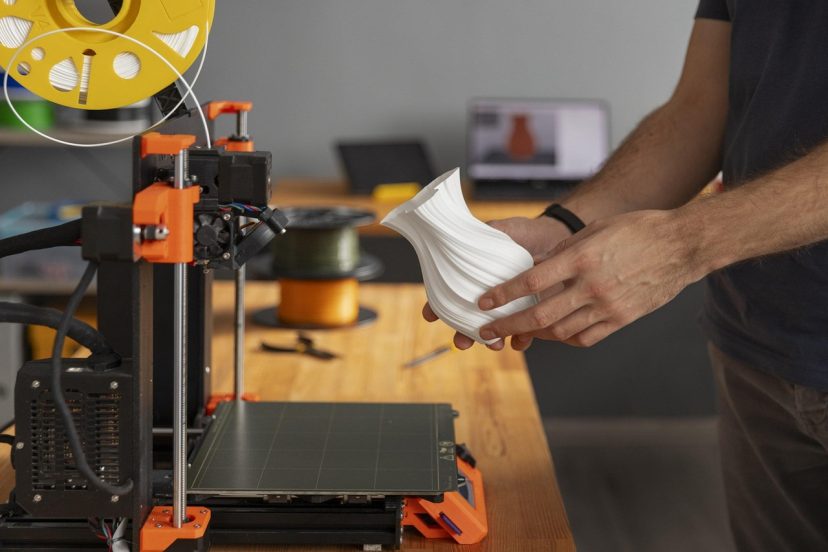
Choosing the best 3D printer filament can feel confusing when you’re just getting started. With so many materials available, it’s hard to know which one will actually print well and give you reliable results. Some filaments are easy to use, while others require more experience and tuning. In this guide, we’ll look at the most beginner-friendly options and the materials makers trust most in 2026.
Understanding 3D Printer Filaments
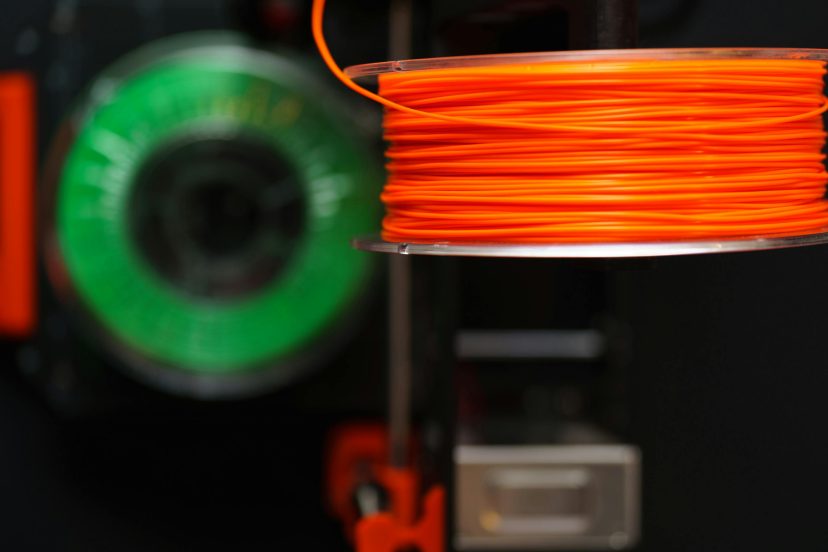
3D printing filament is the raw material used by FDM printers to create objects layer by layer. The printer heats the filament, melts it, and deposits it onto a build plate.
However, not all filaments behave the same.
Some print easily but lack durability. Others offer incredible strength but require higher temperatures and careful tuning.
Three factors matter most when choosing filament:
- Printability – how easy it is to use
- Strength and durability – how well the part performs
- Surface finish – how the final print looks
For beginners, printability matters most. A forgiving material helps you learn faster without constant troubleshooting.
What Makes a Good Filament for Beginners?
When evaluating the best 3D printer filament, I always look for these key qualities:
Consistent Diameter
High-quality filament maintains a consistent diameter throughout the spool. Inconsistent filament causes uneven extrusion and failed prints.
Low Warping
Some materials shrink as they cool. This leads to warped corners or prints lifting from the build plate.
Beginner-friendly filaments avoid this problem.
Reliable Bed Adhesion
Good filament sticks well to the print surface without requiring complicated adhesives.
Minimal Stringing
Stringing happens when melted plastic leaks between movements. Easy filaments reduce this effect.
These qualities make the printing process smoother and far less frustrating.
5 Best 3D Printer Filaments to Try in 2026
Below are five reliable filaments trusted by hobbyists and makers worldwide.
1. PLA – The Best Filament for Beginners
PLA remains the easiest material to print with. It prints at lower temperatures and usually adheres easily to most build plates.
Because it requires minimal setup, beginners often produce great prints right away.
Why makers love PLA
- Low warping
- Smooth surface finish
- Biodegradable base materials
- Great for prototypes and models
PLA works well for figurines, tools, decorative items, and household accessories.
Recommended Product
Why it stands out:
- Consistent extrusion
- Reliable spool winding
- Excellent print quality
2. PETG – Stronger Prints Without the Difficulty
Once you feel comfortable with PLA, PETG becomes a great next step.
PETG combines the strength of ABS with the ease of PLA. Compared with standard PLA, it handles moisture and chemical exposure more effectively.
Benefits of PETG
- Stronger than PLA
- Flexible yet durable
- Excellent layer adhesion
- Water resistant
Because of these properties, PETG works well for mechanical parts and outdoor items.
Recommended Product
Why makers like it:
- Smooth extrusion
- Strong layer bonding
- Reduced stringing compared to cheaper PETG brands
3. ABS – Durable and Heat Resistant
ABS was one of the first widely used 3D printing filaments.
While it requires higher temperatures and an enclosed printer for best results, ABS produces very durable parts.
ABS advantages
- High impact resistance
- Heat resistance
- Strong structural performance
- Can be smoothed with acetone vapor
Because of these properties, ABS works well for tools, brackets, and functional components.
Recommended Product
What makes it reliable:
- Tight diameter tolerances
- Smooth feeding
- Consistent print results
4. TPU – Flexible Filament for Special Prints
TPU allows makers to print soft, flexible objects.
If you want to create phone cases, protective parts, or wearable items, TPU unlocks entirely new possibilities.
TPU strengths
- Highly flexible
- Strong impact resistance
- Excellent durability
- Rubber-like feel
However, TPU prints slower than rigid materials because flexible filament feeds differently.
Recommended Product
Why it works well:
- Smooth extrusion
- Reduced clogging
- Reliable elasticity
5. Silk PLA – Beautiful Prints with Minimal Effort
Silk PLA offers a glossy finish that makes prints look almost metallic.
Many creators use it for decorative models, display pieces, and artistic prints.
Benefits of Silk PLA
- Shiny finish
- Smooth surface
- Easy printing similar to PLA
- Great for visual projects
Recommended Product
Why it stands out:
- Vibrant color options
- Clean layer appearance
- Beginner-friendly performance
Tips for Choosing the Best Filament for Your Printer
When selecting filament, keep these simple tips in mind.
Start With Trusted Brands
Cheap filament often leads to clogging and failed prints. Reliable manufacturers maintain tighter tolerances.
Check Temperature Compatibility
Every filament prints within a specific temperature range. Always confirm your printer can reach those settings.
Store Filament Properly
Humidity can damage filament and reduce print quality. Keep spools in dry containers with desiccant packs.
Recycle Failed Prints
Makers frequently accumulate failed prints or support structures. Fortunately, you can reuse or recycle leftover material.
Recycling reduces waste and keeps your workspace cleaner.
Common Mistakes When Choosing Filament
Many beginners run into the same problems.
Buying the Cheapest Filament
Low-cost materials often contain inconsistent plastic mixtures.
Ignoring Print Settings
Every filament requires specific temperature and cooling settings.
Skipping Bed Preparation
Proper bed adhesion improves nearly every print.
Learning these basics saves time and frustration.
How Filament Choice Affects Strength and Print Performance
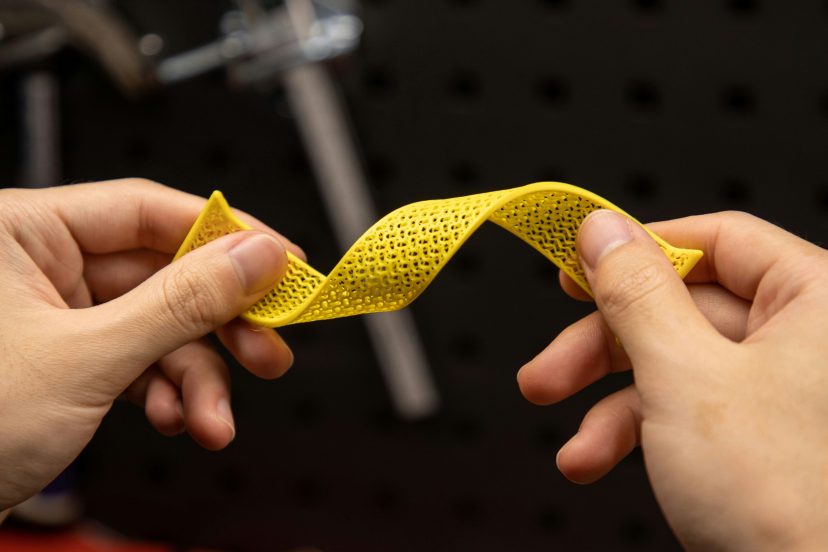
Choosing the right filament does more than change how a print looks—it directly affects how strong and durable your finished parts will be. Different materials behave differently when melted, layered, and cooled during the 3D printing process.
For example, a detailed comparison of mechanical properties of PLA, ABS, TPU, and PETG filaments found that each material offers distinct mechanical characteristics. The review showed that ABS provides strong rigidity and heat resistance, making it suitable for functional parts and tools. Meanwhile, PETG offers a balance of flexibility and durability, which explains why many makers choose it for mechanical components or outdoor prints. These differences highlight why material selection plays such an important role in overall print performance.
Another study focused specifically on mechanical properties of PLA and PETG in 3D printing. Researchers discovered that the combination of these materials can achieve impressive structural strength, with printed samples reaching tensile strengths above 65 MPa and strong resistance to bending forces. The findings reinforce what many experienced makers already notice in practice: material selection and layer bonding significantly influence the strength of a printed object.
In simple terms, filament choice determines whether your print becomes a decorative object, a flexible accessory, or a durable functional part. By understanding how materials behave, makers can select the best 3D printer filament for each project and produce prints that perform exactly as intended.
Conclusion
At the end of the day, the best 3D printer filament is the one that helps you print consistently and fits the kind of projects you enjoy making. Most makers start with PLA because it’s forgiving and reliable. As you get more comfortable with your printer, materials like PETG, ABS, or TPU can unlock stronger parts and more creative builds.
The real fun of 3D printing comes from experimenting. Try different materials, tweak your settings, and see what works best for your printer. Over time, you’ll figure out which filaments you trust—and that’s when printing really starts to get exciting.
FAQs
Which filament should beginners start with when using a 3D printer?
PLA is widely considered the best starting filament because it prints easily, requires low temperatures, and rarely warps.
Is PETG better than PLA?
PETG offers greater strength and durability than PLA. However, PLA prints more easily and usually produces cleaner results for beginners.
Which filament produces the strongest prints?
Nylon and ABS generally offer the highest strength, though PETG provides a strong balance between durability and ease of printing.
Does filament brand matter?
Yes. Higher-quality brands maintain consistent diameter and better plastic mixtures, which improves print reliability.
How should I store 3D printer filament?
Store filament in sealed containers with silica gel or desiccant packs. This prevents moisture from degrading print quality.