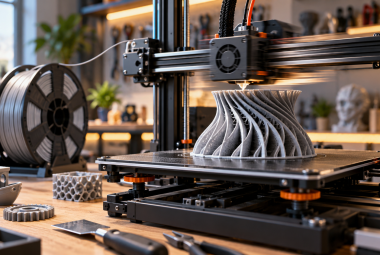
What Is A Good 3D Printing Speed?
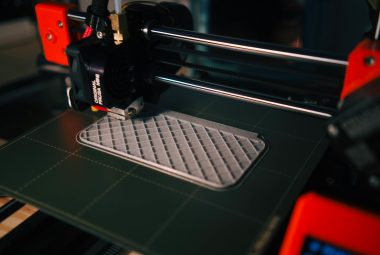
Your slicer says a model will take six hours to print. You increase the speed, hoping to finish sooner, but the result comes out with rough walls and ...
Your slicer says a model will take six hours to print. You increase the speed, hoping to finish sooner, but the result comes out with rough walls and ...
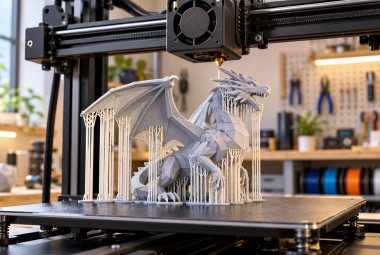
There are few things more aggravating than completing a lengthy print and ending up with droopy overhangs, nasty undersides, or supports that look like they’re fused to the model. ...
Making your own Christmas decorations is a great way to personalize your holiday setup. With a 3D printer, you can create ornaments that match your tree, feature family ...
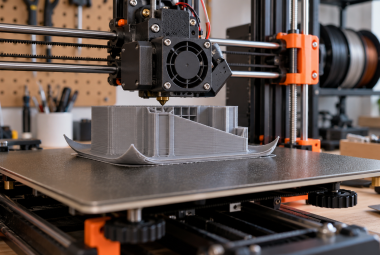
A print can look perfect for the first hour and still fail because one corner slowly starts lifting from the bed. That small curl is often the first ...
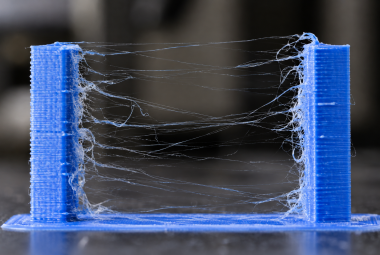
Few things are more annoying than lifting a finished model from the build plate and finding it covered in fine plastic hairs. 3D printer stringing can turn an ...
TPU 3D printing can seem intimidating when you first handle a spool. The filament bends in your hand, stretches under pressure, and behaves nothing like the rigid PLA ...
If you print with ABS, ASA, or other warp-prone filaments, room temperature can affect your results more than you might expect. Drafts and uneven cooling can cause lifted ...
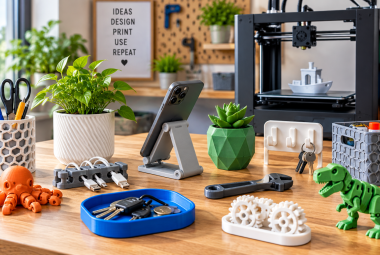
What if your 3D printer could do more than make models and decorative pieces? Some of the most useful things to 3D print are simple objects that solve ...
A new 3D printer can produce disappointing results even when every component works correctly. You may see gaps between lines, rough walls, excessive stringing, poor bed adhesion, or ...
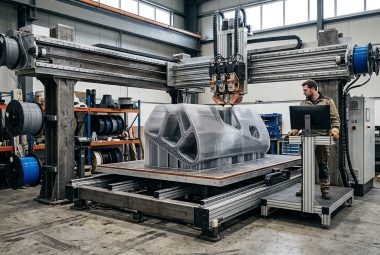
You’re ready to explore the world of the large 3D printer, but where do you start? Terms like build volume, print quality, and material compatibility seem like a ...