Top 10 PLA Filaments
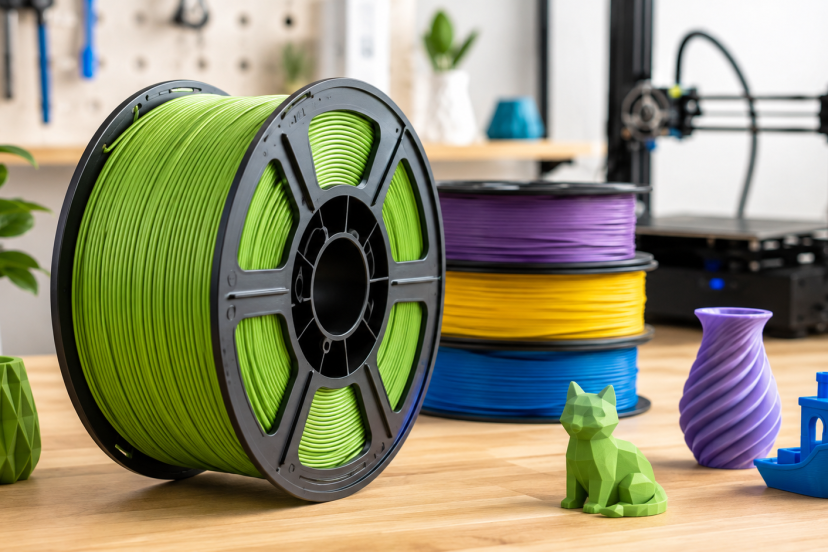
A good spool of filament should make printing feel predictable—not turn every project into a troubleshooting session. The best PLA filaments feed smoothly, hold a consistent diameter, adhere well, and produce clean layers without endless slicer adjustments.
This guide is for beginners and experienced makers seeking dependable material for prototypes, models, organizers, toys, and display pieces. We compared popular Amazon options for reliability, finish, toughness, speed, color selection, and value.
Our Top Picks
| Product | Best For | Key Feature | Rating | Read More |
| OVERTURE PLA | Best overall | Consistent everyday printing | ★★★★⯪ | Read more |
| HATCHBOX PLA | Beginners | Forgiving print behavior | ★★★★⯪ | Read more |
| eSUN PLA+ | Functional parts | Improved toughness | ★★★★⯪ | Read more |
| SUNLU PLA+ 2.0 | Value | Faster printing at a sensible cost | ★★★★⯪ | Read more |
| Polymaker Panchroma Matte | Premium matte prints | Layer-hiding surface | ★★★★⯪ | Read more |
| ELEGOO Matte PLA | Budget matte prints | Smooth, low-gloss finish | ★★★★⯪ | Read more |
| Creality Hyper PLA | High-speed printers | High-flow formulation | ★★★★⯪ | Read more |
| ANYCUBIC PLA | Multi-spool buyers | Strong bundle value | ★★★★⯪ | Read more |
| AMOLEN Silk Rainbow PLA | Decorative models | Fast color transitions | ★★★★⯪ | Read more |
| ERYONE Dual-Color Silk PLA | Two-tone prints | Co-extruded color effect | ★★★★⯪ | Read more |
How to Choose the Best PLA Filaments
Start with the project. Standard PLA is the safest choice for prototypes and everyday household prints. PLA+ suits parts that need more toughness, while matte PLA helps disguise layer lines on models and décor.
High-speed PLA makes more sense for newer printers capable of rapid extrusion. Silk and multicolor materials look impressive, but they can require slower outer walls and careful temperature tuning. For a broader material comparison, see this guide to choosing the right 3D printing filament.
1. OVERTURE PLA Filament – Best Overall

OVERTURE PLA is a dependable default for makers who want one spool that handles prototypes, brackets, organizers, and decorative prints. Its 1.75mm filament is neatly wound and widely compatible with FDM printers. The black 1kg option has maintained strong Amazon customer feedback and is a sensible starting point for most users.
Key features: 1kg spool, broad printer compatibility, consistent feeding
Best for: Everyday home and workshop printing
Pros: Easy to tune; useful color range; reliable value
Cons: Standard PLA is not ideal for hot environments
Why we recommend it: It offers the best balance of printability, availability, and price without forcing beginners into specialty settings.
2. HATCHBOX PLA – Best for Beginners

HATCHBOX has long been a familiar name among desktop-printer owners because its standard PLA is generally forgiving and easy to dial in. It works especially well for learning bed adhesion, temperature calibration, and support settings without adding the extra variables found in specialty materials. Amazon-derived review data places the popular PLA range comfortably above the minimum rating used for this guide.
Key features: 1.75mm diameter, 1kg spool, ±0.03mm stated accuracy
Best for: First-time filament buyers
Pros: Straightforward settings; good detail; broad color selection
Cons: Often costs more than budget brands
Why we recommend it: Predictable behavior matters when you are still learning what a successful first layer should look like.
3. eSUN PLA+ – Best Tough PLA

eSUN PLA+ is a better fit than ordinary PLA when printed parts may be dropped, flexed, or handled frequently. It remains relatively easy to print while offering a tougher feel for tool holders, enclosures, brackets, cosplay pieces, and functional prototypes. Amazon-derived snapshots show consistently strong ratings across several colors.
Key features: PLA+ formulation, 1kg spool, ±0.03mm stated accuracy
Best for: Functional parts and frequently handled prints
Pros: Tougher than basic PLA; dependable layer bonding; many colors
Cons: May need slightly higher nozzle temperatures
Why we recommend it: It gives practical parts more resilience without the printing difficulty of ABS or nylon.
4. SUNLU PLA+ 2.0 – Best Value
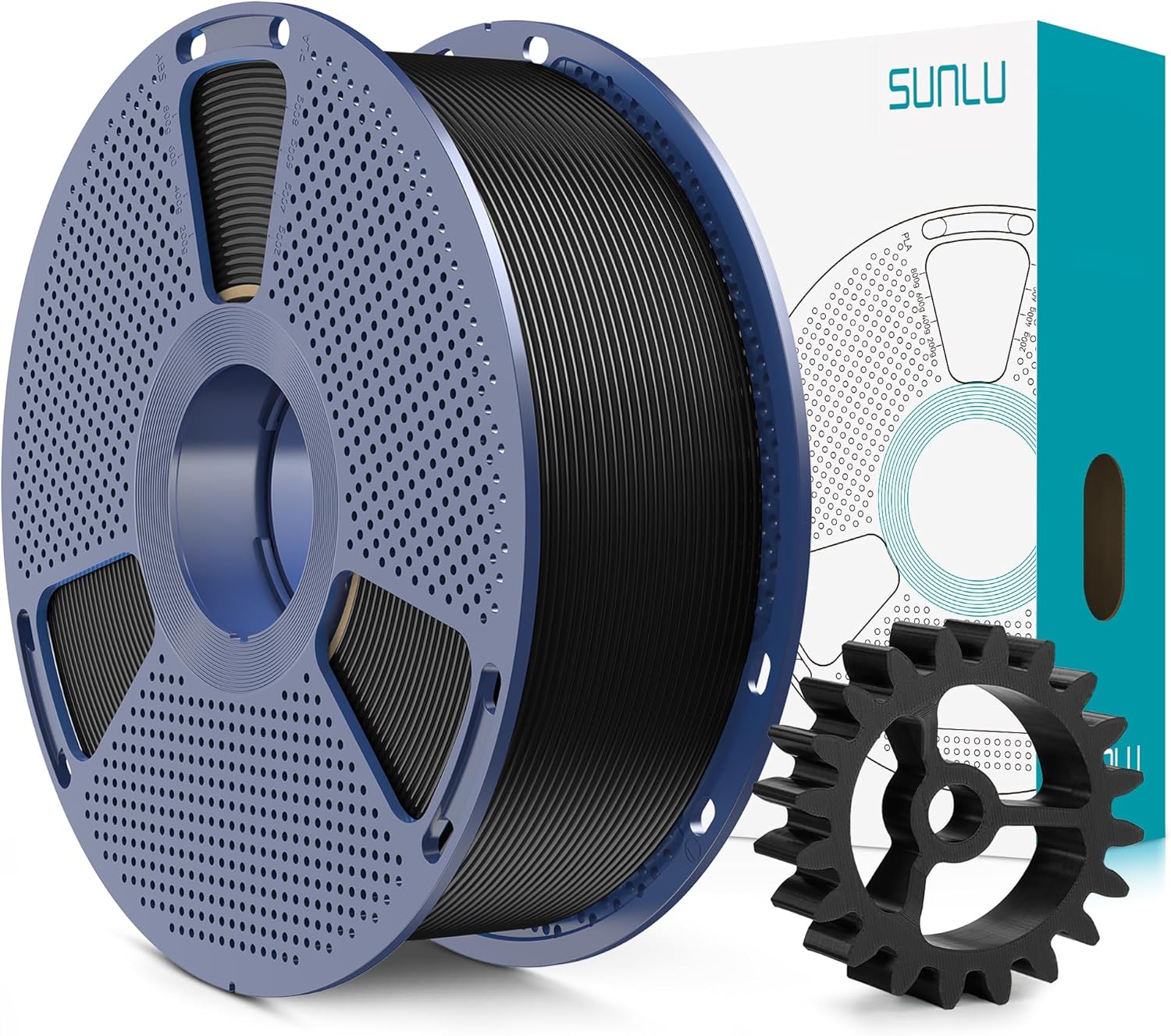
SUNLU PLA+ 2.0 targets users who print often and want a stronger, faster-flowing material without paying premium-spool prices. Review snapshots for SUNLU’s PLA+ range show substantial customer volume and solid overall scores.
Key features: Enhanced PLA formula, neat winding, ±0.02mm stated accuracy
Best for: Frequent printing on a budget
Pros: Good price-to-performance ratio; handles faster profiles; widely available
Cons: Color and spool consistency can vary by batch
Why we recommend it: It stretches a filament budget while still serving serious hobby use.
5. Polymaker Panchroma Matte – Best Premium Matte PLA
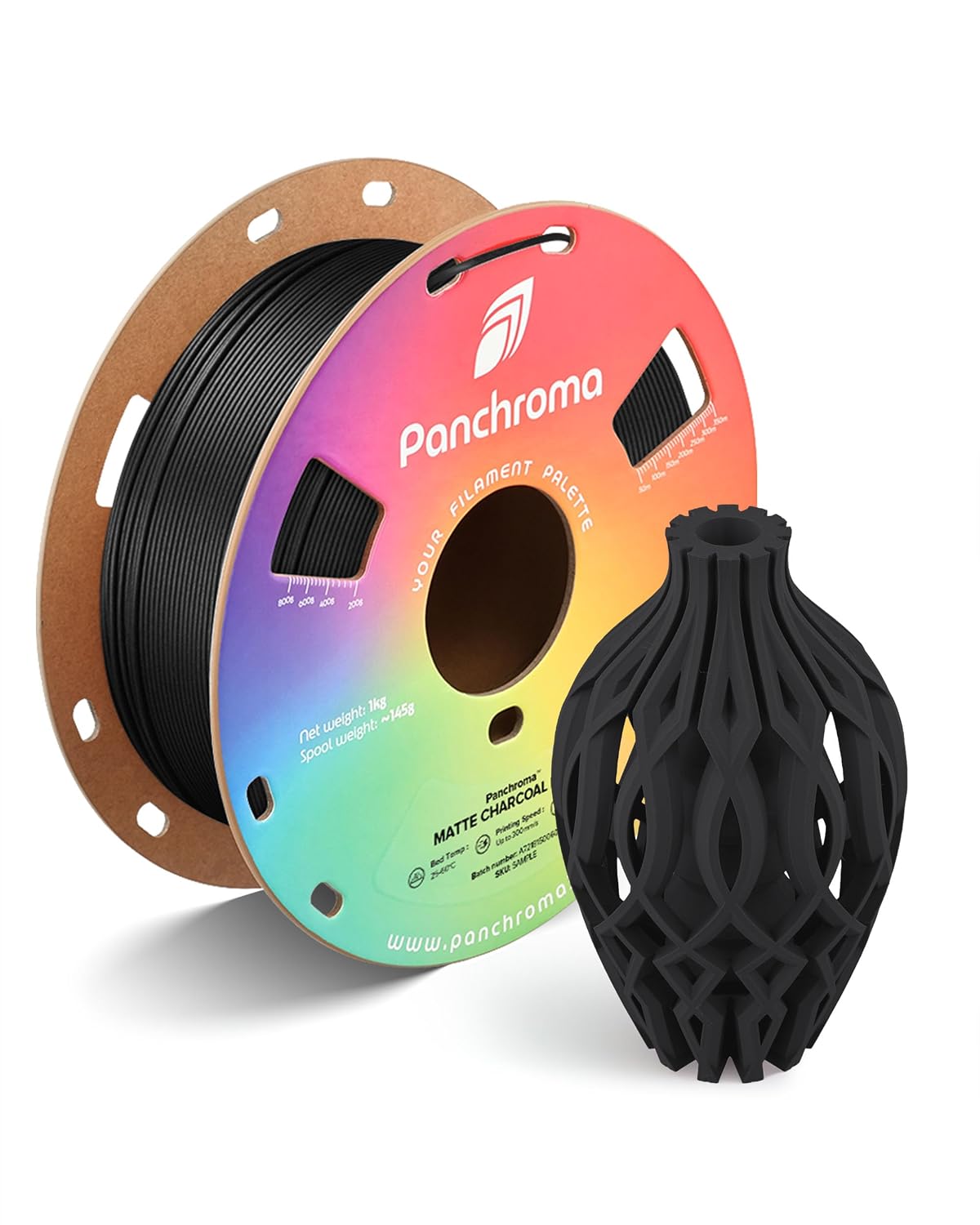
Formerly sold as PolyTerra PLA, Polymaker Panchroma Matte produces a soft, low-gloss surface that helps hide layer lines. It suits models, miniatures, terrain, props, and décor where appearance matters most. The charcoal-black version carries strong Amazon-derived feedback and uses a cardboard spool.
Key features: Matte finish, 1kg spool, broad muted color palette
Best for: Display models and refined décor
Pros: Hides surface imperfections; attractive colors; easy support removal
Cons: More brittle than tougher PLA+ formulas
Why we recommend it: Few materials make ordinary FDM prints look this polished straight from the build plate.
6. ELEGOO Matte PLA – Best Budget Matte Option

ELEGOO Matte PLA offers the layer-hiding benefits of a low-gloss finish at a more accessible price. Customer feedback is especially positive around the finish quality and easy printing behavior.
Key features: Matte surface, 1kg cardboard spool, ±0.02mm stated accuracy
Best for: Affordable display-quality prints
Pros: Smooth finish; good value; useful neutral colors
Cons: Matte additives can reduce impact strength
Why we recommend it: It makes layer lines less obvious without requiring sanding, filler, or paint.
7. Creality Hyper PLA – Best for High-Speed Printing
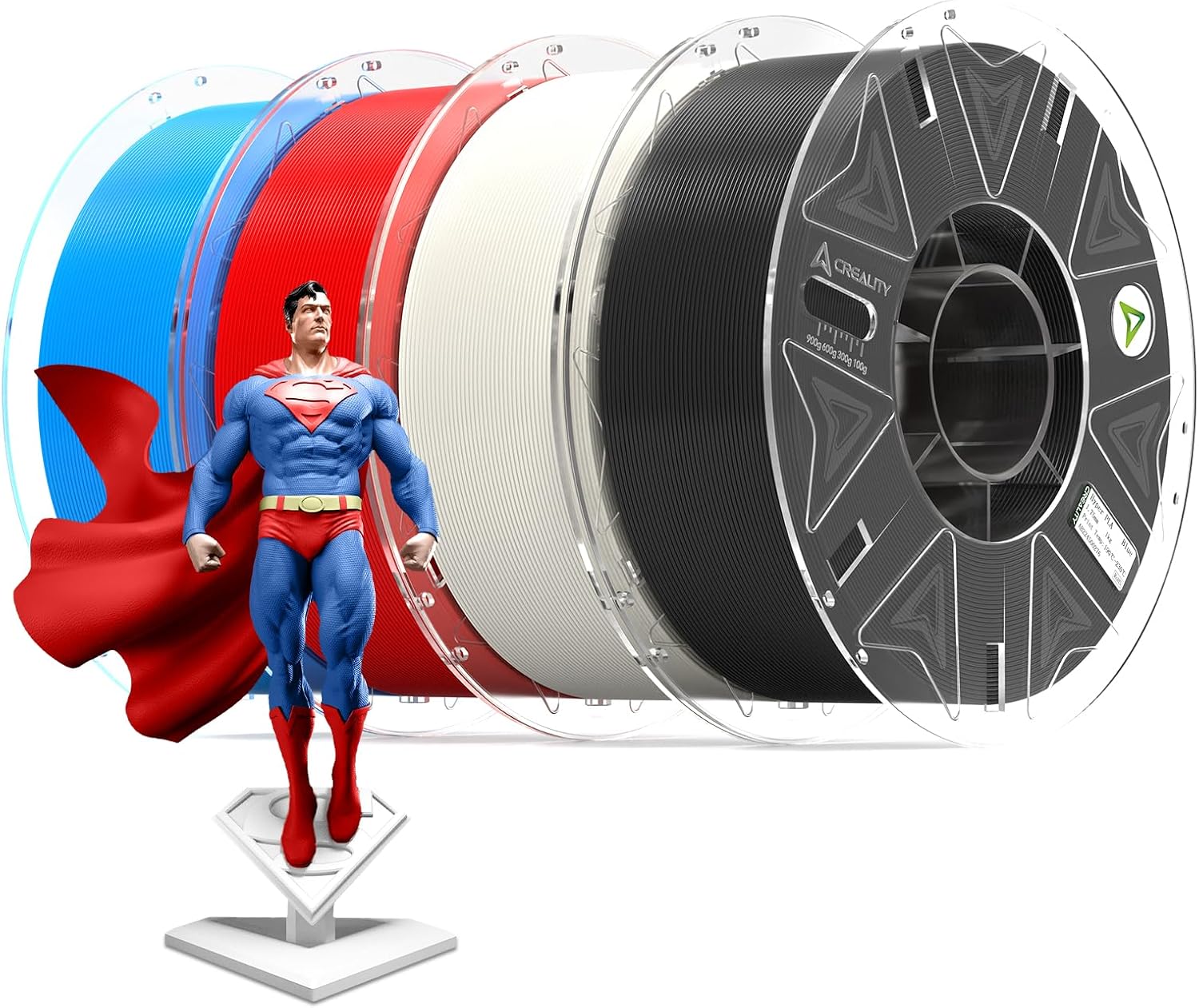
Creality Hyper PLA is designed for modern printers that can move and extrude much faster than older entry-level machines. Current product data highlights speeds up to 600mm/s, though real results still depend on the printer, hotend, model, and slicer profile.
Key features: High-flow PLA, ±0.02mm stated accuracy, rapid-print profiles
Best for: Fast prototypes and production batches
Pros: Supports high-speed hardware; smooth flow; good surface quality
Cons: Little benefit on slow printers
Why we recommend it: It lets capable machines print faster without immediately sacrificing consistency.
8. ANYCUBIC PLA – Best Multipack

ANYCUBIC PLA bundles suit users who need several spools for larger projects, classrooms, print farms, or multicolor workflows. The standard 1.75mm formula has a stated ±0.02mm tolerance, while popular bundle variants have accumulated thousands of customer reviews.
Key features: Multi-spool options, 1.75mm diameter, reusable or cardboard spools depending on bundle
Best for: Bulk buyers and multicolor projects
Pros: Strong bundle value; common colors; broad compatibility
Cons: Buying several spools is less useful for occasional printers
Why we recommend it: Multipacks reduce repeat ordering and make color planning easier.
9. AMOLEN Silk Rainbow PLA – Best Rainbow Filament

AMOLEN Silk Rainbow PLA turns vases, dragons, toys, sculptures, and gift prints into multicolor pieces without an automatic material system. The color transitions show best on larger models with long walls. Amazon-derived data for popular rainbow variants meets this guide’s rating threshold.
Key features: Silk gloss, gradient color changes, 1kg spool
Best for: Decorative models and attention-grabbing gifts
Pros: Multicolor results from one nozzle; vivid finish; many palettes
Cons: Small prints may not show the full color transition
Why we recommend it: It delivers dramatic visual results with minimal setup.
10. ERYONE Dual-Color Silk PLA – Best Two-Tone Filament

ERYONE Dual-Color Silk PLA combines two colors in one co-extruded strand. The visible shade changes as the model or viewing angle rotates. Review volume is high, although some users report that orientation and filament twisting can affect where each color appears.
Key features: Two-color co-extrusion, silk finish, 1.75mm diameter
Best for: Color-shifting decorative prints
Pros: Striking effect; no multi-material system required; several combinations
Cons: Color placement is less predictable
Why we recommend it: It creates a premium two-tone look from a standard single-nozzle printer.
Final Thoughts
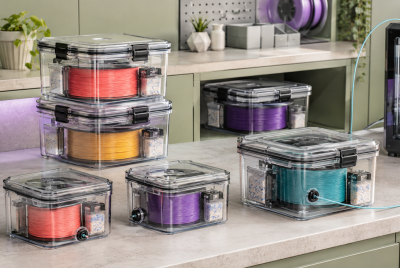
The best PLA filaments are not necessarily the most expensive. OVERTURE PLA is the strongest all-around choice, HATCHBOX is especially beginner-friendly, and eSUN PLA+ is better for tougher functional parts. Choose Polymaker or ELEGOO for matte models, Creality Hyper PLA for fast printers, and AMOLEN or ERYONE when visual impact matters most. Whichever spool you buy, keep it sealed and dry; proper 3D printer filament storage prevents moisture-related popping, rough surfaces, and weak layers.
FAQs
What is the best PLA filament for beginners?
HATCHBOX and OVERTURE are excellent beginner choices because they usually print well with standard PLA profiles. Start near the manufacturer’s recommended temperature range, then adjust in small increments based on layer adhesion and stringing.
Is PLA+ better than regular PLA?
PLA+ is generally tougher and less brittle, making it better for brackets, tools, enclosures, and handled parts. Regular PLA remains a good choice for prototypes, models, and décor because it is inexpensive and easy to print.
What temperature should PLA filament print at?
Many PLA filaments print somewhere around 190–220°C, but the correct temperature depends on the brand, color, hotend, speed, and nozzle. Use the spool’s range as a starting point and print a temperature tower when changing materials.
Does PLA filament need to be dried?
PLA filaments are less moisture-sensitive than nylon, but it can still absorb humidity. Popping, stringing, bubbles, brittle filament, and rough surfaces are signs that drying and better sealed storage may help.
Is matte or silk PLA Filaments as strong as standard PLA?
Not always. Additives that create matte or glossy silk finishes can change layer bonding and brittleness. Use specialty PLA for visual prints, and choose PLA+ or another engineering material when strength is the priority.