3D Printing Filaments Explained: Which One Should You Use?
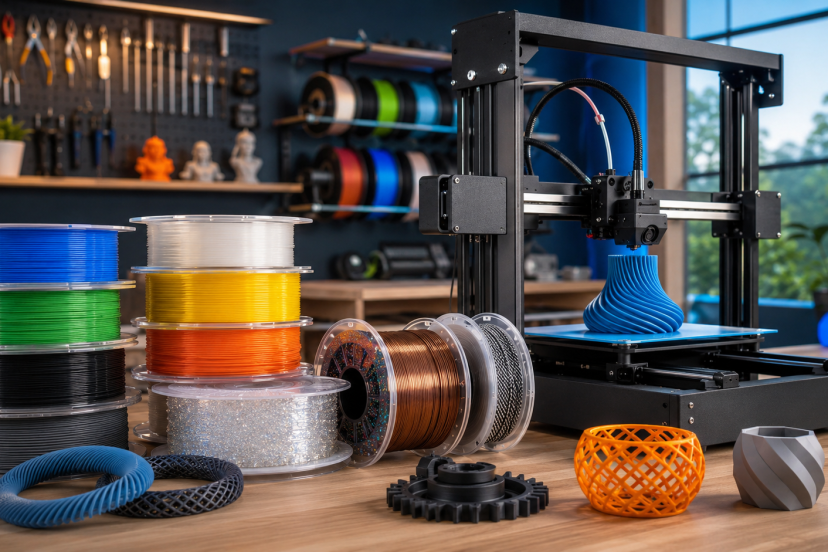
Choosing the right 3D printing filaments can make the difference between a clean, strong print and a failed project. Each filament has its own strengths, limits, and best uses, from beginner-friendly PLA to tougher options like PETG, ABS, TPU, and nylon. In this guide, you’ll learn how the most common filaments work, what they are best for, and how to choose the right one for your next 3D printing project.
What Are 3D Printing Filaments?
3D printing filament is the plastic material your printer melts and lays down layer by layer. Most hobby printers use FDM printing, which means the printer feeds filament through a heated nozzle and builds the object from the bottom up.
Most filaments come in 1.75mm diameter, which is the most common size for modern desktop printers. Some older or larger machines use 2.85mm filament, so always check your printer before buying.
Filament may look simple on the spool, but each type behaves differently. Some melt easily while some warp. Some need a heated enclosure, some smell, some bend, and some snap. That is why choosing the right filament matters.
Why Filament Choice Matters
Your filament affects almost everything about your final print.
It can change:
- Strength
- Flexibility
- Heat resistance
- Surface finish
- Print speed
- Warping risk
- Odor and fumes
- Sanding and smoothing options
- Outdoor durability
For example, PLA is easy and clean for decorative prints. However, it can soften in a hot car. PETG is tougher and better for practical parts, but it can string if your settings are not tuned. ABS handles heat better, but it needs ventilation and more printer control.
So instead of asking, “What is the best filament?” ask, “What do I need this print to do?”
That question makes everything easier.
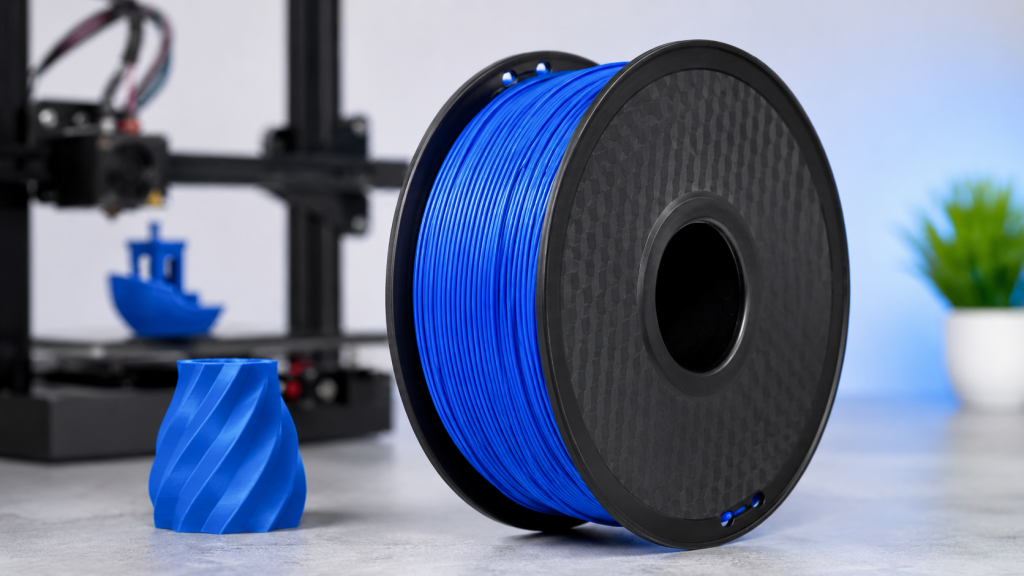
PLA Filament: Best for Beginners
PLA is the friendly starter filament. It prints easily, smells mild compared with many other plastics, and works on most beginner 3D printers.
PLA is usually the easiest first material for new 3D printer users. It removes a lot of early frustration.
Best Uses for PLA
PLA works well for:
- Display models
- Figurines
- Desk accessories
- Prototypes
- Educational prints
- Low-stress household items
- Decorative parts
It also gives clean details, which makes it great for prints where looks matter more than strength.
Pros of PLA
PLA is popular because it is easy to use. It sticks well to the print bed, needs lower temperatures, and does not usually require an enclosure.
You can also find PLA in a wide range of colors, textures, and specialty styles. You can find silk PLA, matte PLA, wood-filled PLA, rainbow PLA, and glow-in-the-dark PLA.
Cons of PLA
PLA is not the best choice for heat or impact. A PLA part left inside a hot car can soften or deform. It can also crack under stress.
Use PLA when you want a clean, simple print. Avoid it when you need serious durability.
PETG Filament: Best for Strong Everyday Prints
PETG sits in the sweet spot between PLA and ABS. It is stronger and more heat-resistant than PLA, but easier to print than ABS.
Many makers use PETG for practical parts because it handles real-life use better.
Best Uses for PETG
PETG is great for:
- Tool holders
- Storage brackets
- Printer upgrades
- Outdoor parts
- Functional prototypes
- Containers
- Clips and mounts
It has a bit of flexibility, so it does not snap as easily as PLA.
Pros of PETG
PETG is durable, impact-resistant, and moisture-resistant. It also works well for parts that need a little toughness without going into advanced filament territory.
If PLA is your training wheels, PETG is your dependable daily driver.
Cons of PETG
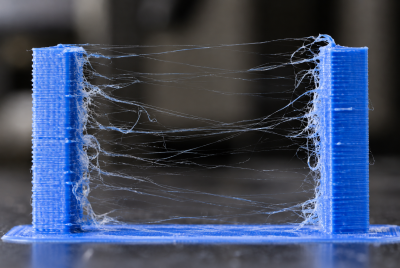
PETG can string. Those tiny plastic hairs between print sections can make your model look messy. However, you can reduce stringing by tuning retraction, temperature, and travel speed.
PETG also sticks very strongly to some beds. Use the right bed surface or a release layer when needed.
ABS Filament: Best for Heat-Resistant Parts
ABS used to be one of the most common 3D Printing Filaments before PLA became the beginner favorite. It is strong, heat-resistant, and useful for functional parts.
However, ABS is not as beginner-friendly.
Best Uses for ABS
ABS works well for:
- Automotive parts
- Heat-exposed parts
- Enclosures
- Tool components
- Functional prototypes
- Parts that need acetone smoothing
ABS is also known for its smoothable surface. With proper care, acetone vapor can create a glossy finish.
Pros of ABS
ABS handles heat better than PLA and offers good toughness. It also sands and finishes nicely.
If you want smooth display pieces or parts that must survive warmer environments, ABS can be useful.
Cons of ABS
ABS warps easily without a heated bed and enclosure. It also gives off stronger fumes than PLA or PETG, so ventilation matters.
Use ABS only when your printer setup can handle it safely.
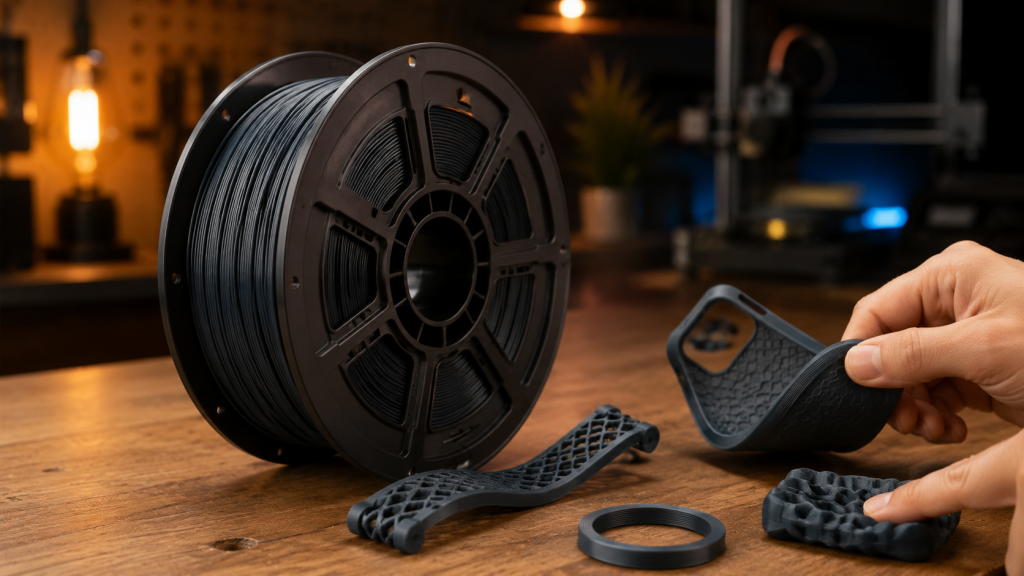
TPU Filament: Best for Flexible Prints
TPU is the flexible one. It bends, stretches, and compresses. If you want rubber-like prints, TPU is usually the material you want.
It is fun, but it prints differently from rigid filament.
Best Uses for TPU
TPU is ideal for:
- Phone cases
- Gaskets
- Bumpers
- Feet pads
- Flexible hinges
- Grips
- Protective covers
It is also great for parts that need shock absorption.
Pros of TPU
TPU is flexible, durable, and resistant to wear. It can take bending much better than PLA or PETG.
Cons of TPU
TPU can be tricky to feed through some printers, especially Bowden-style setups. Direct-drive extruders usually handle TPU better.
Print it slowly. That one tip saves many TPU headaches.
Nylon Filament: Best for Tough Functional Parts
Nylon is strong, tough, and flexible in a more industrial way. It is great for mechanical parts, but it demands more care.
This is not usually a beginner filament.
Best Uses for Nylon
Nylon works well for:
- Gears
- Hinges
- Mechanical parts
- Wear-resistant components
- Workshop tools
- Functional prototypes
It can handle stress better than many common filaments.
Pros of Nylon
Nylon has excellent toughness and impact resistance. It also has good wear resistance, which makes it useful for moving parts.
Cons of Nylon
Nylon absorbs moisture from the air. Wet nylon prints badly. You may see popping, bubbles, weak layers, and rough surfaces.
Store nylon in a dry box and dry it before printing.
Specialty 3D Printing Filaments Worth Knowing
Once you feel comfortable with basic materials, specialty filaments can open new creative doors.
PLA+
PLA+ is a modified version of PLA. It usually offers better toughness while staying easy to print. It is a great upgrade for beginners who want stronger parts without switching to PETG.
Silk PLA
Silk PLA gives prints a shiny, glossy look. It is perfect for decorative models, vases, dragons, signs, and display pieces.
However, silk PLA may be weaker than standard PLA, so avoid it for load-bearing parts.
Wood-Filled PLA
Wood-filled PLA contains fine wood particles. It gives prints a warm, natural texture. You can sand or stain some wood PLA prints, which makes it great for decor.
Use a larger nozzle if the filament clogs your standard one.
Carbon Fiber Filament
Carbon fiber-filled filament looks beautiful and feels stiff. It often has a matte finish that hides layer lines well.
However, carbon fiber is abrasive. Use a hardened steel nozzle instead of a basic brass nozzle.
ASA
ASA is similar to ABS but better for outdoor use. It resists UV exposure better, making it useful for garden parts, outdoor brackets, and weather-exposed prints.
Like ABS, it needs ventilation and good temperature control.
Recommended Products
Here are five practical filament picks for different printing needs.
1. ELEGOO PLA Filament 1.75mm
ELEGOO PLA is a solid starter choice for everyday printing. It is good for models, organizers, toys, and beginner projects.
Choose this if you want simple setup and fewer failed prints.
2. eSUN PLA+ Filament 1.75mm
eSUN PLA+ is a good step up from regular PLA. It keeps the easy printing experience but adds more toughness.
Use it for parts that need better strength but do not need PETG-level durability.
3. CREALITY PETG Filament 1.75mm
PETG is a great pick for practical household prints. This type of filament works well for brackets, clips, holders, and parts that may face light stress.
Choose PETG when PLA feels too brittle.
4. SainSmart TPU Filament 1.75mm
SainSmart TPU is useful for flexible projects like bumpers, grips, pads, and phone cases.
Print slowly and use a direct-drive printer if possible.
5. Polymaker PolyLite PLA-CF
Polymaker PLA-CF is a carbon fiber-filled PLA option. It gives prints a clean matte finish and better stiffness.
Carbon fiber blends are abrasive, so a hardened steel nozzle is a smarter choice than standard brass.
Research-Backed Safety Notes for 3D Printing Filaments
Filament choice is not only about strength and finish. It can also affect your workspace air quality.
Research on desktop 3D printing shows that printers can release ultrafine particles and volatile organic compounds during printing. The amount depends on the filament type, print temperature, additives, and printer setup.
The EPA also notes that 3D printing research has raised questions about emissions, especially as specialty filaments with additives become more common.
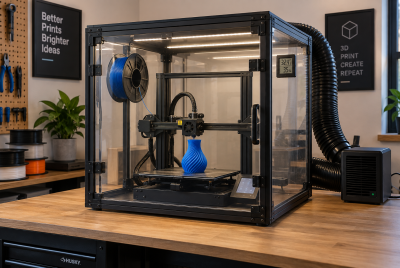
Here is the practical takeaway: print in a well-ventilated area, especially with ABS, ASA, nylon, or filled filaments. Use an enclosure with filtration when needed. Also, avoid sitting right next to a printer for long jobs.
PLA and PETG are usually easier choices for casual home printing, but ventilation is still smart.
How to Choose the Right Filament
Still unsure? Use this simple guide.
Choose PLA If You Want Easy Prints
PLA is best for beginners, display models, and low-stress parts. It is the safest starting point for most hobbyists.
Choose PETG If You Need More Strength
PETG is better for functional parts, outdoor use, and items that need more toughness.
Choose ABS If You Need Heat Resistance
ABS works well for stronger, heat-resistant parts, but it needs ventilation and an enclosure.
Choose TPU If You Need Flexibility
TPU is the choice for soft, bendy, rubber-like parts.
Choose Nylon If You Need Tough Mechanical Parts
Nylon is best for demanding functional prints, but it needs dry storage and more advanced settings.
Conclusion
Choosing the right 3D printing filaments becomes much easier when you match the material to the job. PLA is great for simple, beginner-friendly prints, PETG offers more strength for everyday parts, ABS and ASA handle heat better, TPU adds flexibility, and nylon works well for tough functional pieces. There is no single “best” filament for every project, but understanding the strengths and limits of each one helps you print with more confidence, waste less material, and get better results from your 3D printer. For more help after printing, check this guide on how to smooth 3D prints for cleaner results.
FAQs
1. Which filament should beginners use first?
For most beginners, PLA is the most forgiving and easiest filament to print with. It prints easily, sticks well to the bed, and works on most desktop 3D printers.
2. Is PETG better than PLA?
PETG is stronger and more heat-resistant than PLA. However, PLA is easier to print and usually gives cleaner beginner results.
3. Which filament is strongest?
Nylon is one of the strongest common hobby filaments. Carbon fiber-filled filaments can also be very stiff, but they need a hardened nozzle.
4. Can I use any filament in my 3D printer?
No. Check your printer’s nozzle temperature, bed temperature, extruder type, and enclosure needs before using a filament.
5. Which filament gives the smoothest finish?
PLA gives a clean finish for most beginners. ABS can become very smooth with acetone vapor smoothing, while carbon fiber-filled filaments hide layer lines well with a matte surface.