Best Ceramic 3D Printer Options for Clay Projects
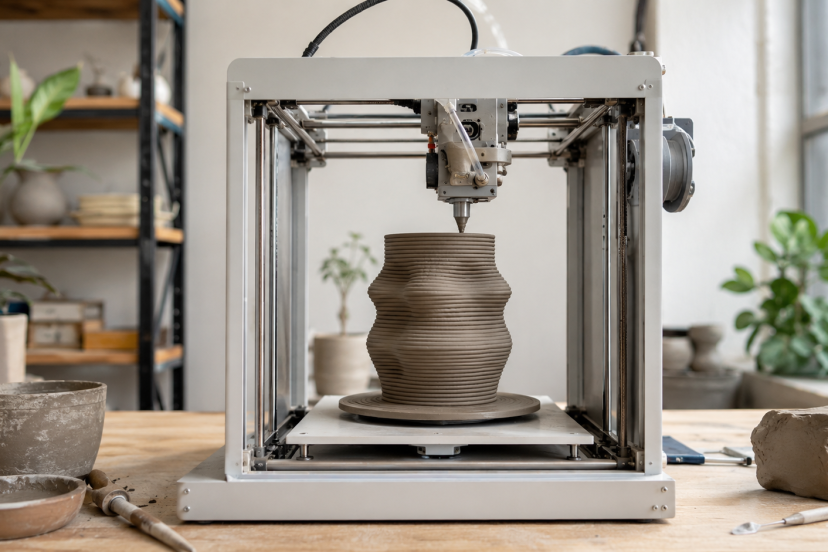
A ceramic 3D printer gives makers a new way to shape clay, turning digital designs into real pottery, sculptural pieces, planters, tiles, and prototypes. But clay printing is different from regular filament printing, so choosing the right machine matters. In this guide, we’ll look at the best ceramic 3D printer options for clay projects, what features to compare, and which models make sense for beginners, hobbyists, and small studios.
What Is a Ceramic 3D Printer?
A ceramic 3D printer is a 3D printer designed to extrude clay, ceramic slurry, porcelain paste, or similar soft materials. Most clay printers use a paste extrusion system instead of a heated plastic nozzle.
The printer follows a digital model, lays down clay in controlled lines, and builds the object one layer at a time. After printing, the piece still needs the usual ceramic process: drying, cleanup, bisque firing, glazing, and final firing.
So, think of it as a bridge between digital design and traditional pottery. You still need clay knowledge, but the printer gives you precision, repeatability, and shapes that are difficult to make on a wheel.
Why Clay Printing Is Different From Regular 3D Printing
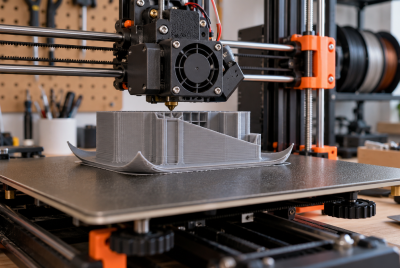
A standard FDM printer melts plastic. A ceramic printer pushes a soft paste.
That one difference changes almost everything.
Clay needs the right moisture level. If it is too wet, your print may sag. If it is too dry, it may clog the nozzle or break apart during extrusion. In addition, clay prints shrink during drying and firing, so your final object will usually be smaller than the digital model.
Researchers continue to explore this area because ceramic additive manufacturing can create complex shapes while reducing some limits of traditional ceramic forming. A 2024 comprehensive review of ceramics 3D printing notes that ceramic 3D printing supports complex geometries and has applications across art, engineering, medicine, energy, and aerospace.
For hobbyists, that simply means this: you get more design freedom, but you also need patience.
What to Look for Before Buying
Build Volume
Start with the size of the pieces you want to make.
If you plan to print cups, small planters, test forms, and decorative objects, a compact clay printer may be enough. However, if you want tall vases, sculptural lamps, or larger ceramic wall pieces, look for a bigger build area.
Also remember that ceramic prints shrink after firing. Always leave room for shrinkage in your design.
Extrusion System
The extrusion system is the heart of a ceramic 3D printer.
Some machines use compressed air. Others use mechanical plungers, screw systems, or electric feeding systems. Air-based systems can work well, but they need an air compressor and more tuning. Mechanical systems often feel easier for beginners because they push the clay more directly.
For most home users, a printer with an included feeding system is easier than building one from scratch.
Clay Compatibility
Not every printer handles every clay body.
Before buying, check whether the machine works with stoneware, porcelain, earthenware, ceramic slurry, or other paste materials. Grogged clay can add texture and strength, but it may also clog smaller nozzles.
When in doubt, start with smooth clay and a larger nozzle. Your first print does not need to be a museum piece. A slightly wobbly mini vase still counts as a win.
Software and Controls
Most ceramic printers still rely on familiar 3D printing workflows: design, slice, print, adjust, repeat.
Look for machines that support common file types and give you control over speed, layer height, extrusion rate, and nozzle size. Clay printing often needs slower speeds and thicker layers than plastic printing.
Good controls help you fine-tune the print instead of fighting the machine.
Setup and Maintenance
Clay is messy. There is no polite way around that.
Choose a printer that is easy to clean, reload, and maintain. Removable tubes, accessible extruders, simple frames, and clear setup instructions matter more than flashy specs.
If the printer looks difficult to clean, your future self may quietly resent you.
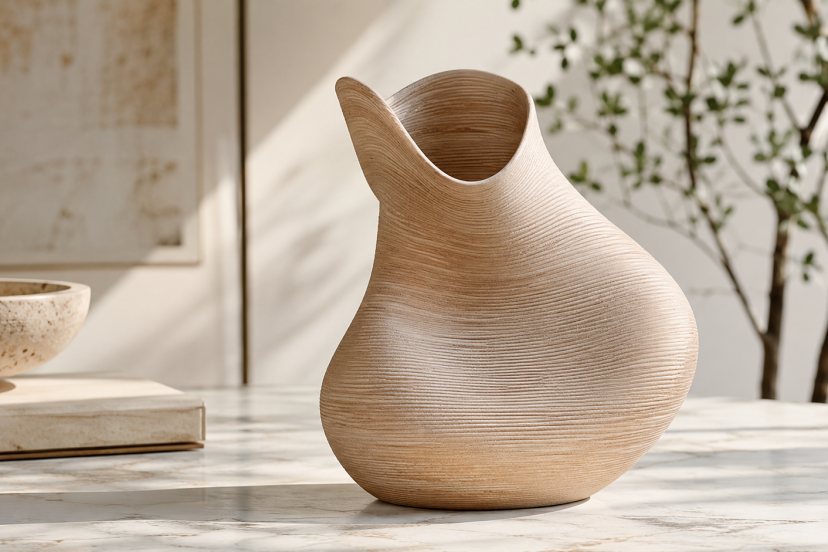
Best Ceramic 3D Printer Options for Clay Projects
Ceramic 3D printers are still more niche than regular FDM printers, so availability can vary by region. However, several real clay-printing machines are worth knowing if you want to compare beginner, studio, and large-format options.
1. TRONXY Moore 2 Pro Clay 3D Printer
Best for: Beginners and hobbyists who want a complete clay printer.
The TRONXY Moore 2 Pro is a desktop ceramic 3D printer designed for clay, ceramic slurry, red porcelain, and other flowable materials. It has a practical build size of around 250 x 250 x 260 mm and uses an electric feeding system, so users do not need to rely on a separate air compressor.
This makes it a good option for small studio projects, test forms, planters, vases, and decorative pieces. It is still a specialty machine, but it is more approachable than many industrial clay printers.
2. 3D PotterBot 10 Micro
Best for: Classrooms, artists, and small ceramics studios.
The 3D PotterBot 10 Micro is a compact ceramic 3D printer designed for beginners, classrooms, and small creative studios. It comes with a 1,000 ml clay extruder and offers enough build space for smaller pottery, sculpture, and test-print projects.
One major benefit is that 3DPotter machines directly extrude real clay, rather than relying on heavily watered-down slip. That makes the workflow more familiar for potters who already understand clay bodies, moisture, drying, and firing.
3. Delta WASP 2040 Clay
Best for: Professional users who want a compact clay printer.
The Delta WASP 2040 Clay is a professional ceramic 3D printer made for clay, porcelain, and stoneware projects. It has a cylindrical print volume of Ø 200 mm x 400 mm and supports multiple nozzle sizes for different clay-printing needs.
This model is a strong fit for users who want a more polished machine without jumping into a very large format. It works well for taller tabletop pieces, sculptural forms, vases, and experimental ceramic designs.
4. Delta WASP 40100 Clay
Best for: Large-format clay printing.
The Delta WASP 40100 Clay is built for larger ceramic projects. It is designed for prints up to about 40 cm wide and 1 meter tall, which makes it useful for tall vessels, lamps, sculptural pieces, and bigger studio work.
It can also print directly on the floor or on a removable steel plate. That gives artists more flexibility when working with taller or more delicate clay forms.
5. Eazao Zero Ceramic 3D Printer
Best for: Home users who want a simpler clay-printing setup.
The Eazao Zero is designed as a more approachable ceramic 3D printer for home and studio use. It uses an electric putter system instead of an air compressor, which helps simplify the setup and makes the printing process easier to manage.
It is a good option for makers who want to print small clay objects without building a custom extrusion system. For beginners, that easier setup can make the learning curve feel less intimidating.
Ceramic 3D Printing Tools and Add-Ons
Once you choose a ceramic 3D printer, the right accessories can make printing, cleanup, and finishing much easier. Here are five useful product types to consider.
1. Ceramic Clay 3D Printer
Choose a complete ceramic 3D printer if you want the simplest path into clay printing. Look for a stable frame, reliable clay feeding system, adjustable nozzles, and enough build volume for the pieces you plan to make.
2. Clay 3D Printer Extruder Kit
An extruder kit is useful if you want to modify a compatible 3D printer for clay or paste extrusion. Check the mounting style, motor requirements, tube capacity, and frame compatibility before buying.
3. Ceramic or Pottery Clay
Smooth clay is usually best for early tests because it flows more easily through the nozzle. Avoid heavily grogged clay unless your printer can handle thicker, textured material without clogging.
4. Nozzle and Cleaning Kit
Clay can dry inside tubes, nozzles, and small openings. A cleaning kit helps keep the extrusion path clear, which can prevent clogs and uneven flow during longer print sessions.
5. Pottery Sculpting and Finishing Tools
Printed clay still needs hand finishing. Sculpting tools help smooth layer lines, clean edges, carve details, and prepare vases, planters, tiles, or sculptures for drying and firing.
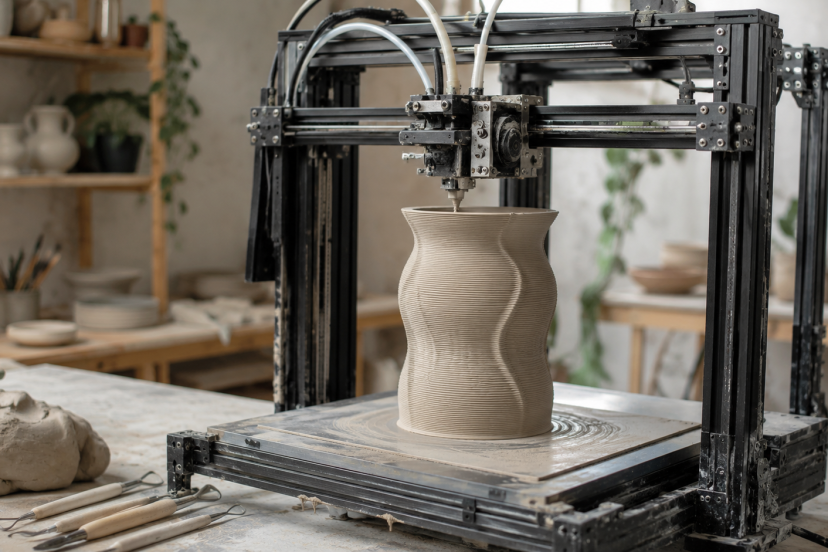
Who Should Buy a Ceramic 3D Printer?
A ceramic 3D printer makes sense if you enjoy both digital design and hands-on making.
It is especially useful for:
Artists who want unusual forms
Potters who want repeatable shapes
Designers making ceramic prototypes
Teachers building digital fabrication lessons
Makers who want to explore non-plastic materials
Small studios creating decorative objects or limited runs
It may not be ideal if you dislike cleanup, have no kiln access, or want instant finished products. Printed clay still needs time, drying space, firing, and finishing.
Research and Expert Insights
Ceramic 3D printing has grown because it combines design flexibility with the unique properties of fired ceramic materials. In research settings, it supports lightweight structures, porous designs, and complex internal geometries that are hard to make with traditional forming methods.
A study on direct ink-write printing of ceramic clay showed a method for printing Cone 5 porcelain clay using DIW techniques. The research highlights how print settings, clay behavior, and post-processing all affect the final ceramic result.
For practical makers, the lesson is simple: your printer matters, but your clay recipe, slicing settings, drying method, and firing schedule matter just as much.
If you are interested in using 3D printing for decorative home projects too, you may also enjoy these creative 3D printed wall art ideas for more design inspiration.
Conclusion
A ceramic 3D printer can take your clay projects far beyond basic forms, giving you more freedom to create planters, vases, sculptures, tiles, and custom studio pieces from digital designs. The best choice depends on your goals: beginners may prefer a ready-to-use machine, while experienced makers may enjoy a DIY extruder setup. Before buying, compare build size, extrusion style, clay compatibility, cleanup, and how much troubleshooting you’re willing to handle. With the right printer and a little patience, ceramic 3D printing can become a practical and exciting way to blend traditional clay work with modern 3D design.
FAQs
What is the best ceramic 3D printer for beginners?
The TRONXY Moore 2 Pro is a strong beginner-friendly option because it comes as a complete clay printer and uses an electric feeding system.
Can a normal 3D printer print clay?
Not without modification. A regular FDM printer uses melted plastic filament, while clay printing needs a paste extrusion system. You can modify some printers with clay extruder kits, but it takes mechanical skill and testing.
Do ceramic 3D prints need to be fired?
Yes. Printed clay pieces usually need to dry, then go through bisque firing, glazing, and final firing. The printer creates the form, but the kiln turns it into finished ceramic.
What clay works best for ceramic 3D printing?
Smooth clay bodies usually work best for beginners. Stoneware, porcelain, and earthenware can work, but the clay must have the right moisture level and consistency. Avoid heavily grogged clay unless your nozzle and extruder can handle it.
Is a ceramic 3D printer worth it?
Yes, if you enjoy experimenting with clay, digital modeling, and unique forms. It is especially useful for artists, potters, designers, and educators. However, it may not be worth it if you want a simple, mess-free printing process.